
Give the gift of great classes! Gift certificates are available for the MiniMaker in your life.

Winter Term 2026-27
Future-Ready Steam Skills, Taught Today
November 2026 through March 2027
Technology will continue to change fast. Human creativity never goes out of style.
We teach that, hands-on, for grades 3 to 8.
Portland Public Schools Partner
Who?
3rd to 8th graders
When?
Weekly after school
How much?
Under $23/hour, materials and snacks included
Where?
On-site at the following Portland metro area schools this winter term
Stay tuned! Registration for Metropolitan Learning Center and others opens soon!
“My 4th grader loves this class! So happy we found it!”
~ Rebecca H.
We also partner with SUN Schools!
Contact us or your SUN Community School for details and registration.
What’s Included

Under 10 students per instructor

All materials and 3D printing supplies

Daily snacks (nut-free)

Take-home 3D printed projects every week

All for less than $23 per hour!

Our classes are $23 per hour with materials and snacks included!
Tuesdays after school from 2:30pm to 4:00pm
November 10th through March 16th, 15 sessions total
Meets 11/10, 11/17, 12/1, 12/8, 12/15, 1/5, 1/12, 1/19, 2/2, 2/9, 2/16, 2/23, 3/2, 3/9, 3/16
Open to 3rd Graders and above
3D Printing Launch Lab: The Science of Catapults and Stored Energy
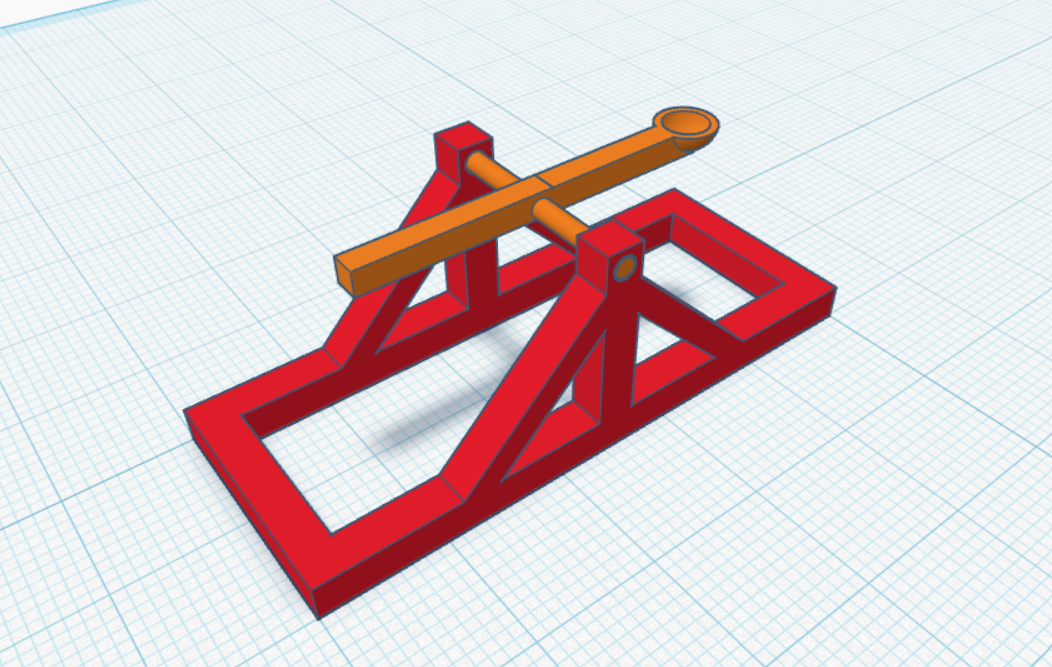
Students explore physics, engineering, and design by building launching machines they create and 3D print themselves, then put them to the test with a new launch mission every week.
Each week combines a hands-on build with a real science concept and a mission to match. Students learn how energy is stored and released using rubber bands, springs, and counterweights, then discover how launch angle, arm length, and projectile weight affect distance and height. Missions like knocking down a cardboard castle wall, landing a pom-pom in a target cup, or clearing a paper “moat” turn every test into a game.
Students follow the engineering design process: design, print, build, test, measure, and improve. They track their scores, earn badges, take on team challenges, and redesign their machines to beat their personal bests. For the final project, students create an original themed launcher ~ like a castle trebuchet or pirate ship cannon ~ and showcase it in a day of target games.
Perfect for curious students who like to ask “What if?” and then test it. Small class sizes and hands-on instruction give every student the support they need to design, print, and improve their creations like a real engineer.
Alameda
Elementary
Tuesdays after school from 2:30pm to 4:00pm
November 10th through March 16th, 15 sessions total
Open to 3rd Graders and above
The Science of Catapults and Stored Energy
Students explore physics, engineering, and 3D design by designing, 3D printing, and building their own launching machines, then putting them to the test with a new launch mission every week.
-
Each week combines a hands-on build with a real science concept and a mission to match. Students learn how energy is stored and released using rubber bands, springs, and counterweights, then discover how launch angle, arm length, and projectile weight affect distance and height. Missions like knocking down a cardboard castle wall, landing a pom-pom in a target cup, or clearing a paper “moat” turn every test into a game.
Students follow the engineering design process: design, print, build, test, measure, and improve. They track their scores, earn badges, take on team challenges, and redesign their machines to beat their personal bests. For the final project, students create an original themed launcher ~ like a castle trebuchet or pirate ship cannon ~ and showcase it in a day of target games.
Perfect for curious students who like to ask “What if?” and then test it. Small class sizes and hands-on instruction give every student the support they need to design, print, and improve their creations like a real engineer.
Our classes are $21 per hour with materials and snacks included!
Wednesdays after school from 4:00pm to 5:30pm
November 18th through March 17th, 15 sessions total
Meets 11/18, 12/2, 12/9, 12/16, 1/6, 1/13, 1/20, 1/27, 2/3, 2/10, 2/17, 2/24, 3/3, 3/10, 3/17
Open to 3rd Graders and above
3D Printing Launch Lab: The Science of Catapults and Stored Energy
Students explore physics, engineering, and design by building launching machines they create and 3D print themselves, then put them to the test with a new launch mission every week.
Each week combines a hands-on build with a real science concept and a mission to match. Students learn how energy is stored and released using rubber bands, springs, and counterweights, then discover how launch angle, arm length, and projectile weight affect distance and height. Missions like knocking down a cardboard castle wall, landing a pom-pom in a target cup, or clearing a paper “moat” turn every test into a game.
Students follow the engineering design process: design, print, build, test, measure, and improve. They track their scores, earn badges, take on team challenges, and redesign their machines to beat their personal bests. For the final project, students create an original themed launcher ~ like a castle trebuchet or pirate ship cannon ~ and showcase it in a day of target games.
Perfect for curious students who like to ask “What if?” and then test it. Small class sizes and hands-on instruction give every student the support they need to design, print, and improve their creations like a real engineer.
Bridlemile
Elementary
Wednesdays after school from 4:00pm to 5:30pm
November 18th through March 17th, 15 sessions total
Open to 3rd Graders and above
The Science of Catapults and Stored Energy
Students explore physics, engineering, and 3D design by designing, 3D printing, and building their own launching machines, then putting them to the test with a new launch mission every week.
-
Each week combines a hands-on build with a real science concept and a mission to match. Students learn how energy is stored and released using rubber bands, springs, and counterweights, then discover how launch angle, arm length, and projectile weight affect distance and height. Missions like knocking down a cardboard castle wall, landing a pom-pom in a target cup, or clearing a paper “moat” turn every test into a game.
Students follow the engineering design process: design, print, build, test, measure, and improve. They track their scores, earn badges, take on team challenges, and redesign their machines to beat their personal bests. For the final project, students create an original themed launcher ~ like a castle trebuchet or pirate ship cannon ~ and showcase it in a day of target games.
Perfect for curious students who like to ask “What if?” and then test it. Small class sizes and hands-on instruction give every student the support they need to design, print, and improve their creations like a real engineer.
cApitol Hill
Elementary
Our classes are $23 per hour with materials and snacks included!
Thursdays after school from 2:30pm to 4:00pm
November 12th through March 18th, 16 sessions total
Meets 11/12, 11/19, 12/3, 12/10, 12/17, 1/7, 1/14, 1/21, 1/28, 2/4, 2/11, 2/18, 2/25, 3/4, 3/11, 3/18
Open to 3rd Graders and above
3D Printing Launch Lab: The Science of Catapults and Stored Energy
Students explore physics, engineering, and design by building launching machines they create and 3D print themselves, then put them to the test with a new launch mission every week.
Each week combines a hands-on build with a real science concept and a mission to match. Students learn how energy is stored and released using rubber bands, springs, and counterweights, then discover how launch angle, arm length, and projectile weight affect distance and height. Missions like knocking down a cardboard castle wall, landing a pom-pom in a target cup, or clearing a paper “moat” turn every test into a game.
Students follow the engineering design process: design, print, build, test, measure, and improve. They track their scores, earn badges, take on team challenges, and redesign their machines to beat their personal bests. For the final project, students create an original themed launcher ~ like a castle trebuchet or pirate ship cannon ~ and showcase it in a day of target games.
Perfect for curious students who like to ask “What if?” and then test it. Small class sizes and hands-on instruction give every student the support they need to design, print, and improve their creations like a real engineer.
Thursdays after school from 2:30pm to 4:00pm
November 12th through March 18th, 16 sessions total
Open to 3rd Graders and above
The Science of Catapults and Stored Energy
Students explore physics, engineering, and 3D design by designing, 3D printing, and building their own launching machines, then putting them to the test with a new launch mission every week.
-
Each week combines a hands-on build with a real science concept and a mission to match. Students learn how energy is stored and released using rubber bands, springs, and counterweights, then discover how launch angle, arm length, and projectile weight affect distance and height. Missions like knocking down a cardboard castle wall, landing a pom-pom in a target cup, or clearing a paper “moat” turn every test into a game.
Students follow the engineering design process: design, print, build, test, measure, and improve. They track their scores, earn badges, take on team challenges, and redesign their machines to beat their personal bests. For the final project, students create an original themed launcher ~ like a castle trebuchet or pirate ship cannon ~ and showcase it in a day of target games.
Perfect for curious students who like to ask “What if?” and then test it. Small class sizes and hands-on instruction give every student the support they need to design, print, and improve their creations like a real engineer.
Maplewood Elementary
Our classes are less than $21 per hour with materials and snacks included!
Wednesdays after school from 2:30pm to 4:00pm (no class on Early Release days)
November 18th through March 10th: 11 sessions total
Meets 11/18, 12/2, 12/9, 1/6, 1/13, 1/27, 2/3, 2/10, 2/24, 3/3, 3/10
Open to 3rd Graders and above
Machines in Motion: A 3D Printing Design Program
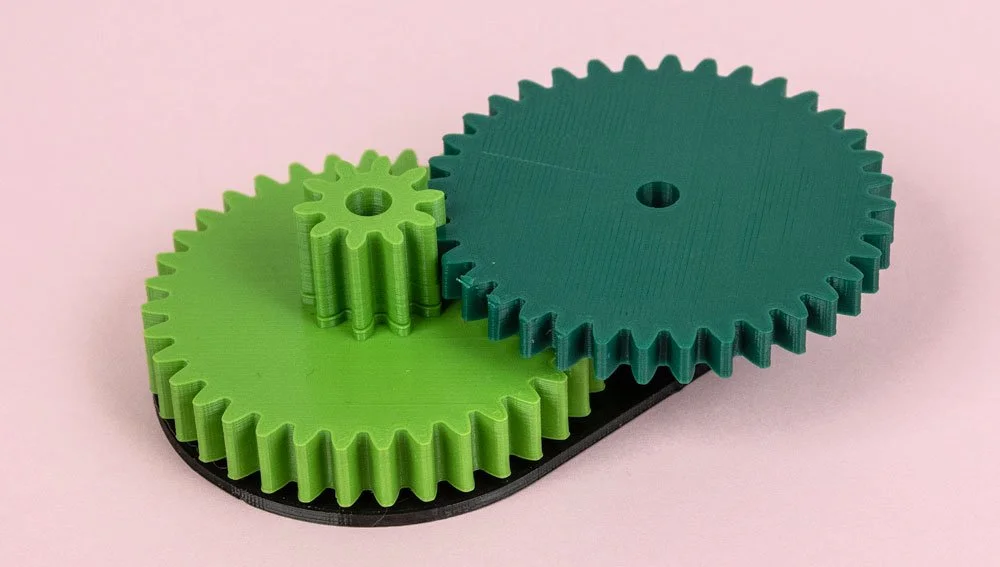
Students dive into vehicles, gears, and moving parts, all built by hand in 3D.
Each week introduces a new mechanical concept, from hinges that swing and gears that mesh to cranks that turn and cams that push. Students design vehicles that fly, float, or glide (jets, rockets, boats, hovercraft), then apply what they've learned to build working mechanisms and, eventually, a capstone project of their own design.
Perfect for students ready to go beyond basic shapes and explore how things actually move. Small class sizes and low instructor to student ratio (max 8:1) mean every student gets hands-on support as they design, print, and problem-solve their way to a finished machine.
Wednesdays after school from 2:30pm to 4:00pm
November 18th through March 10th: 11 sessions total
Open to 3rd Graders and above
Machines in Motion: A 3D Printing Design Program
Students dive into vehicles, gears, and moving parts, all built by hand in 3D.
-
Each week introduces a new mechanical concept, from hinges that swing and gears that mesh to cranks that turn and cams that push. Students design vehicles that fly, float, or glide (jets, rockets, boats, hovercraft), then apply what they've learned to build working mechanisms and, eventually, a capstone project of their own design.
Perfect for students ready to go beyond basic shapes and explore how things actually move. Small class sizes and low instructor to student ratio (max 8:1) mean every student gets hands-on support as they design, print, and problem-solve their way to a finished machine.
Stephenson Elementary
Our classes are less than $23 per hour with materials and snacks included!
Tuesdays after school from 2:30pm to 4:00pm
January 5th through March 16th: 10 sessions total
Meets 1/5, 1/12, 1/19, 2/2, 2/9, 2/16, 2/23, 3/2, 3/9, 3/16
Open to 3rd Graders and above
Machines in Motion: A 3D Printing Design Program
Students dive into vehicles, gears, and moving parts, all built by hand in 3D.
Each week introduces a new mechanical concept, from hinges that swing and gears that mesh to cranks that turn and cams that push. Students design vehicles that fly, float, or glide (jets, rockets, boats, hovercraft), then apply what they've learned to build working mechanisms and, eventually, a capstone project of their own design.
Perfect for students ready to go beyond basic shapes and explore how things actually move. Small class sizes and low instructor to student ratio (max 8:1) mean every student gets hands-on support as they design, print, and problem-solve their way to a finished machine.
Tuesdays after school from 2:30pm to 4:00pm
January 5th through March 16th: 10 sessions total
Open to 3rd Graders and above
Machines in Motion: A 3D Printing Design Program
Students dive into vehicles, gears, and moving parts, all built by hand in 3D.
-
Each week introduces a new mechanical concept, from hinges that swing and gears that mesh to cranks that turn and cams that push. Students design vehicles that fly, float, or glide (jets, rockets, boats, hovercraft), then apply what they've learned to build working mechanisms and, eventually, a capstone project of their own design.
Perfect for students ready to go beyond basic shapes and explore how things actually move. Small class sizes and low instructor to student ratio (max 8:1) mean every student gets hands-on support as they design, print, and problem-solve their way to a finished machine.
Our classes are $21 per hour with materials and snacks included!
Mondays after school from 2:30pm to 4:00pm
November 2nd through March 15th, 14 sessions total
Meets 11/2, 11/9, 11/16, 11/30, 12/7, 12/14, 1/4, 1/11, 2/1, 2/8, 2/22, 3/1, 3/8, 3/15
Open to 3rd Graders and above
3D Printing Launch Lab: The Science of Catapults and Stored Energy
Students explore physics, engineering, and design by building launching machines they create and 3D print themselves, then put them to the test with a new launch mission every week.
Each week combines a hands-on build with a real science concept and a mission to match. Students learn how energy is stored and released using rubber bands, springs, and counterweights, then discover how launch angle, arm length, and projectile weight affect distance and height. Missions like knocking down a cardboard castle wall, landing a pom-pom in a target cup, or clearing a paper “moat” turn every test into a game.
Students follow the engineering design process: design, print, build, test, measure, and improve. They track their scores, earn badges, take on team challenges, and redesign their machines to beat their personal bests. For the final project, students create an original themed launcher ~ like a castle trebuchet or pirate ship cannon ~ and showcase it in a day of target games.
Perfect for curious students who like to ask “What if?” and then test it. Small class sizes and hands-on instruction give every student the support they need to design, print, and improve their creations like a real engineer.
Creston
K-5
Mondays after school from 2:30pm to 4:00pm
November 2nd through March 15th, 14 sessions total
Open to 3rd Graders and above
The Science of Catapults and Stored Energy
Students explore physics, engineering, and 3D design by designing, 3D printing, and building their own launching machines, then putting them to the test with a new launch mission every week.
-
Each week combines a hands-on build with a real science concept and a mission to match. Students learn how energy is stored and released using rubber bands, springs, and counterweights, then discover how launch angle, arm length, and projectile weight affect distance and height. Missions like knocking down a cardboard castle wall, landing a pom-pom in a target cup, or clearing a paper “moat” turn every test into a game.
Students follow the engineering design process: design, print, build, test, measure, and improve. They track their scores, earn badges, take on team challenges, and redesign their machines to beat their personal bests. For the final project, students create an original themed launcher ~ like a castle trebuchet or pirate ship cannon ~ and showcase it in a day of target games.
Perfect for curious students who like to ask “What if?” and then test it. Small class sizes and hands-on instruction give every student the support they need to design, print, and improve their creations like a real engineer.
Meet our Instructors

Marney andersen
-
Marney has over 20 years of experience leading programs, leveraging technology, and mentoring teams.
Marney has been a Girl Scout Troop Leader for the better part of a decade. This opportunity has allowed her to lead hands-on education programs while also mentoring children in leadership, outdoor skills, STEM, and entrepreneurship. Her goal is to foster confidence, teamwork, and problem-solving skills in a supportive and inclusive environment.
Additionally, she has a strong background in operations, project management, and technology implementation: she has deep experience in translating complex systems and processes into easy-to-understand language and ideas. Her experience onboarding clients to technology systems, training diverse groups, and creating clear, step-by-step learning materials translates into supporting students with digital tools, STEM activities, and structured enrichment programs. Marney excels at creating structured, engaging environments where young learners can thrive.
With a career in tech and a passion for working with children, Marney brings a unique blend of structure, creativity, and technological fluency. She is committed to creating safe, engaging, and tech-forward experiences that inspire curiosity, encourage creativity, and help children build skills for the future.

Scott DeMay
-
Scott is an engineer, musician, and lifelong learner with a passion for hands-on problem solving, creativity, and making.
His experience as a mechanical engineer includes prototyping, robotics, manufacturing, and 3D printing. He enjoys experimenting, troubleshooting, and turning ideas into tangible solutions, and sees 3D printing as an exciting way to help kids develop those same skills.
With many years of experience teaching and mentoring children and teens through music education, Scott also understands the value of encouraging curiosity and creativity. Sharing practical skills and helping young people discover the satisfaction of creating something themselves.
Yenly Ma
-
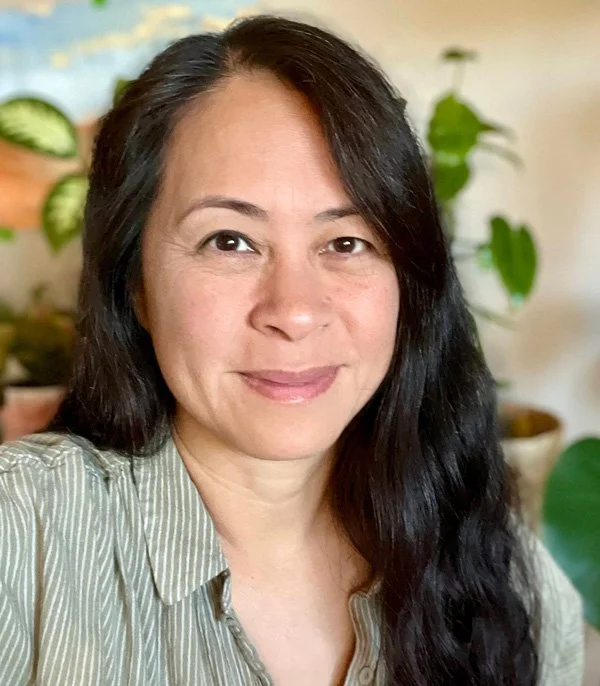
Yenly is a maker of functional art and a collector of DIY projects. She wants to make all the things!
Yenly has worked as a software engineer for over 20 years in corporations, early-stage to mid-size startups, and a nonprofit organization. She deeply cares about user experiences and mostly focuses on building delightful and functional user interfaces for web applications. She volunteered for a nonprofit mentoring early-career developers in effective software team collaboration.
Yenly went to her first SF Bay Area Maker Faire in 2007 and fell in love with the maker movement. She remembers returning each year, chatting with makers and being inspired. Coincidentally also in 2007, she enrolled in her first pottery class and has been honing her wheel throwing skills ever since. She loves the meditative vibe of having her hands immersed in clay while the creative juices are flowing in her brain. It brings her joy to see people use her ceramic vessels.
Yenly is a mom to a curious 2nd grader who loves numbers and building things. When not making things together, they love to go camping and explore. Yenly is excited to dive into the world of 3D printing and seeing what the younger generation will build.

Carrissa Mora
-
Carrissa has dedicated her life to working with children and exploring creative technology, blending a strong foundation in developmental psychology with a diverse technical background.
Over the years, she has built an extensive skill set that includes professional photography, digital photo editing, and web design- including building and managing the website for her college honors society.
Drawing on her extensive experience as a former teacher assistant, homeschool teacher, after-school program and Girl Scout leader, Carrissa naturally understands how children learn, play, and problem-solve at different developmental stages. She is also deeply invested in supporting local youth as an active PTA member and dedicated school volunteer.
As a 3D Printing Demonstration Specialist for Bambu Lab, Carrissa performed live demonstrations. Using the P1S with AMS, she regularly created printed models for Best Buy customers and trained retail teams. As a creative entrepreneur, Carrissa runs her own small business designing and manufacturing articulated dragons and 3D-printed toys.
A proud mother of two (including a 4th grader!) Carrissa is thrilled to bring her unique blend of childcare experience, technical expertise, and artistic design to the classroom to inspire the next generation of MiniMakers to bring their biggest ideas to life.

Adam Loewen
-
Born and raised in Missoula, Adam studied economics and liberal arts at University of Montana while also pursuing pop music and comedy filmmaking.
A self-taught coder, Adam created applications and web sites in the business world while also teaching music lessons and classes in the Portland area. At present, Adam works as a voice actor, and offers education, coaching, and books about a philosophical framework called Integral Theory. Outside of work, Adam enjoys yoga, meditation, dance, and of course, the remarkable landscapes and lifeforms of the Pacific Northwest.
Adam takes great pride in making a lasting impression on youthful, developing minds. STEM skills contribute to problem solving and logical reasoning that will be brought into all areas of life. As the world seems to change faster and faster, it remains essential that leadership is grounded in solid fundamentals. Nothing beats a hands-on experience where students directly experience the development of creative decisions and outcomes as physical objects they can play with.

Micah Jennings
-
Micah joined the MiniMakers team because he loves teaching and has a passion for 3D modeling and printing.
He has worked in childcare for almost a decade, from teaching elementary swim lessons to working in teen rehabilitation centers, and has always loved having the opportunity to teach and mentor future generations. Micah is also currently working toward a degree in Architecture, where he’s found a particular love for 3D modeling and design. He finds something so special about taking an idea and turning it into something real, which is why getting the opportunity to teach 3D modeling at MiniMakers is a dream come true!

Everett Staley
-
Everett has been a maker their whole life.
One childhood birthday gift was a set of tools and a workbench in the garage with "Everett's Shop" painted on the wall. From there, Everett has gained experience in a multitude of hands-on skills– some professionally, and more while working on projects with friends and family. From helping with home renovations and DIY projects to assisting with the construction of a straw bale and cob house in the Mojave. From trade school learning stringed instrument construction and repair, and lately wooden boats– they've discovered that their favorite way to learn and utilize creativity and constructive skills is collaboratively.
With their degree in Digital Information Technology, Everett finally got a chance to jump into 3D printing. First as a hobbyist, and then professionally while running the Makerspace in a Portland High School. There, they learned, experimented, taught, and eventually fell in love with the way Computer Aided Design programs and an affordable machine printing recycled plastic on one's desktop could allow anyone to make anything.
Today, Everett has plenty of projects and is always learning new skills and ways to make, modify, or repair things. What they are most excited about, though, is when someone else has an idea they really want to try, and Everett gets to help figure it out.

Margaret Klement
-
Margaret has been working in education since 2013.
Starting as an early childhood educator, she moved to Portland Public Schools in 2016. In 2019 Margaret earned her Master’s degree in Teaching and currently works as a substitute teacher for grades K-8. Margaret is also a working artist, with a Bachelor’s degree in Fine Art. She paints murals, works in textiles, and does design work.
Margaret enjoys bringing artistic creativity to classrooms, encouraging students to enjoy the process; experiment, make mistakes, and think outside the box. She is passionate about project-based learning and STEAM activities, believing the blending of artistic and technical skills fosters critical thinking, collaboration, and creative problem-solving.